About Texture

Built by operators who lived the reconciliation problem.

Texture was started by people who spent years in utility control rooms and grid engineering seats. We knew the problem because we kept getting paged about it.

The story

Founded in 2023 in New York.

The founders came to Texture from different parts of the power grid software ecosystem: data integration layers, real-time telemetry pipelines, DER interconnection work. The shared experience across all of it was always the same: utility operations teams were drowning in dashboards and still missing the full picture during the events that mattered most.

During high-renewable-penetration events, the data a utility operations team needs to make a dispatch decision exists in five or six different systems. It takes forty minutes to reconcile. By the time the picture is assembled, the optimal dispatch window is gone. Battery curtailment events happen not because the hardware is limited, but because the information was late.

Texture is the layer that fixes the view so the AI can fix the dispatch. Bootstrapped and independently funded since day one. We are focused on utilities and cooperatives managing active distributed energy programs, not the enterprise-wide software suites trying to replace everything at once.
The team

The people building it.

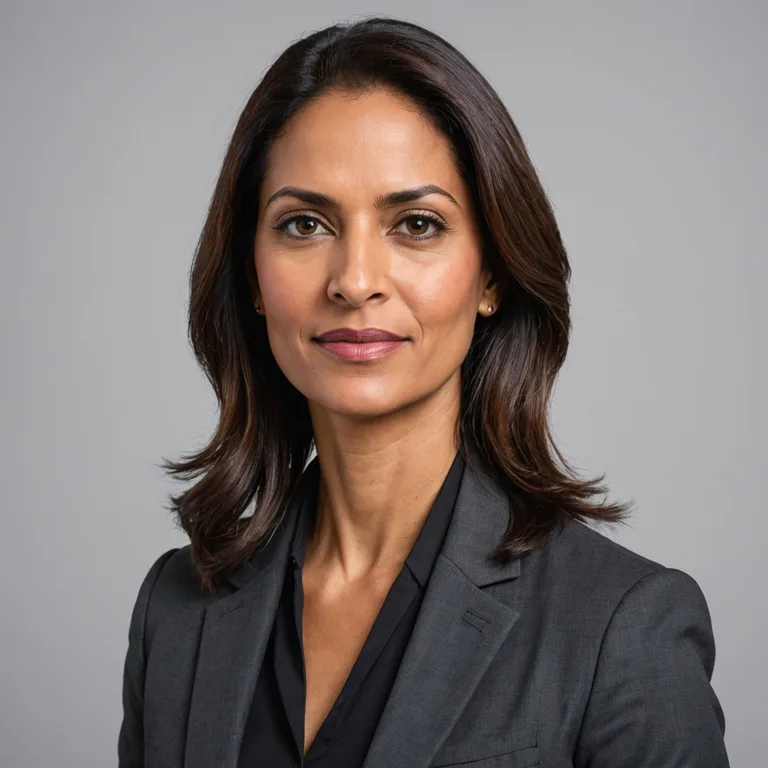
Anita Rao

Anita Rao

CEO & Co-Founder

Spent years building data integration layers for grid operations at utility scale. Co-founded Texture after repeatedly encountering the same fragmentation problem in operations centers during high-renewable-penetration events. She started from the data side and works backwards from what operators actually need when the grid is moving fast.

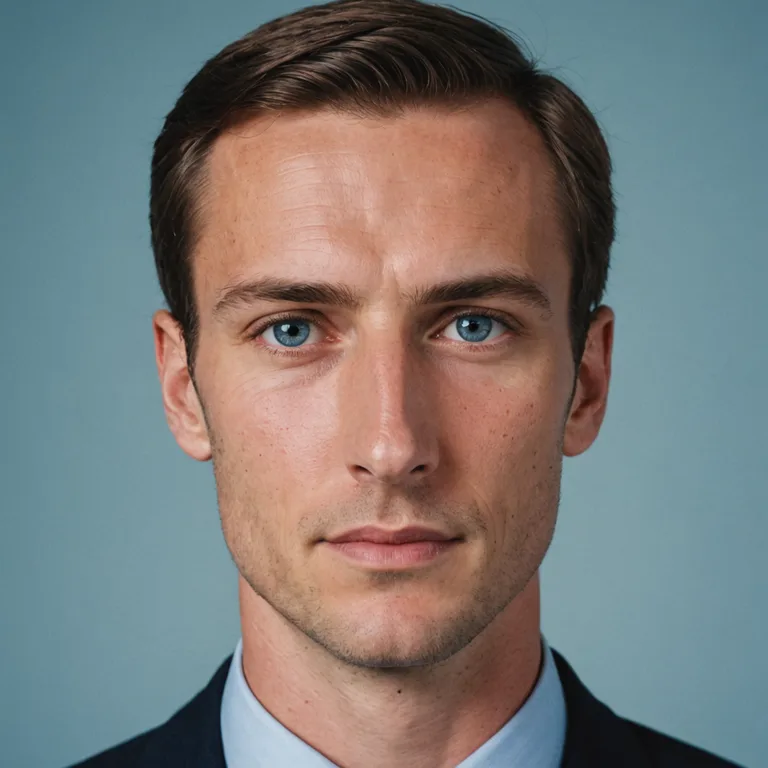
Marcus Webb

Marcus Webb

CTO & Co-Founder

Background in distributed systems and real-time telemetry pipelines. Previously focused on high-frequency data architectures for critical infrastructure monitoring at an industrial-sector technology organization. Brings low-latency event processing expertise to a domain where the difference between 30-second and 90-second telemetry lag is a dispatch decision.

Sofia Chen

Sofia Chen

Head of Grid Engineering

Grid engineering background with hands-on experience in DER interconnection and DERMS configuration at utility operations teams. Understands dispatch from the operator seat, not just the software side. Every product decision runs through the question she keeps asking: would the operators I know actually use this in the middle of a summer peak event?

How we work

Three operating principles.

Grid-first, not dashboard-first.

We design for dispatch outcomes, not visualization aesthetics. A better chart that does not change what an operator does is not a product improvement. The measure is whether the grid event was handled faster and more accurately.

Earn trust before you automate.

Every AI recommendation is surfaced to operators with its reasoning before auto-mode is available for that event type. Operators set the thresholds for what runs automatically. The AI earns autonomous dispatch authority scenario by scenario, not all at once.

Protocol standards are load-bearing.

Texture does not invent proprietary data formats that create lock-in. We implement published standards: IEEE 2030.5, DNP3, OpenADR, IEC CIM. A utility that wants to move its data elsewhere should be able to do so without a migration project.

Reach us directly.

315 Park Avenue South, 12th Floor

New York, NY 10010

+1 (212) 553-4418

[email protected]

Go to contact form